Highlights:
- Landscaping with rocks creates a low-maintenance, long-lasting garden design that stays visually appealing year-round with minimal upkeep compared to traditional lawns.
- A successful Zen-inspired layout depends on intentional planning, with asymmetry, open space, and carefully positioned focal stones guiding the overall flow.
- Mixing rock types and sizes—such as boulders, river stones, and gravel—adds depth and natural realism while maintaining a calm, balanced aesthetic.
- Gravel and sand play a key role by acting as symbolic “water,” allowing for raked patterns that enhance mindfulness and visual structure.
- Plants should be used sparingly as accents, with choices like moss, grasses, and evergreens helping soften stone features without overwhelming the design.
- Proper rock placement and spacing are essential for achieving harmony, where negative space is just as important as the stones themselves.
- This type of landscaping is not only aesthetic but also a smart long-term investment, often considered one of the most practical home upgrades due to durability and reduced maintenance costs.
A Zen-inspired garden is all about simplicity, balance, and calm. It’s not meant to overwhelm the senses—it’s designed to quiet them. At the heart of this design style is the thoughtful use of natural elements, especially stone. When done right, landscaping with rocks creates a space that feels grounded, timeless, and deeply connected to nature.
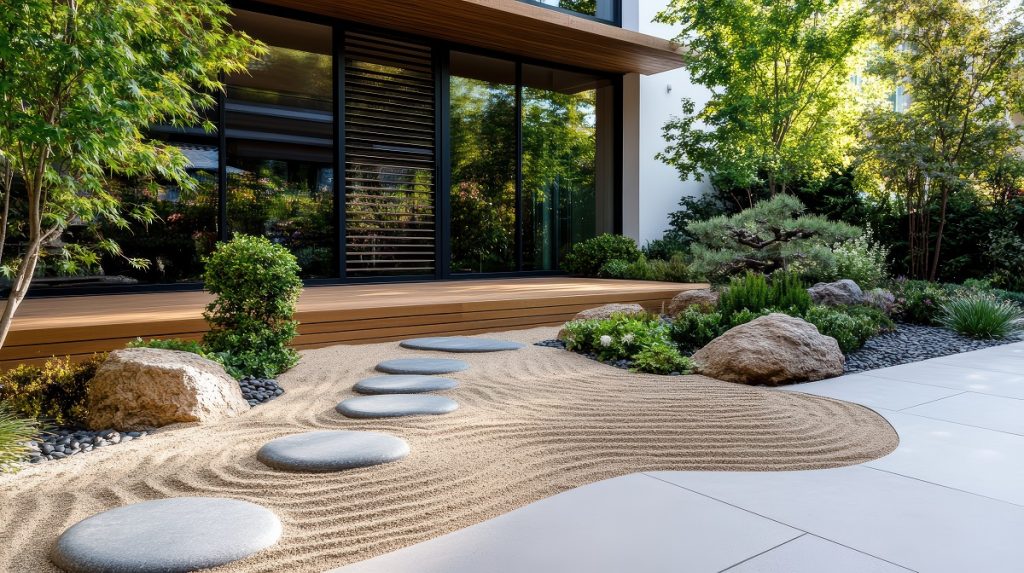
Unlike traditional gardens filled with bright flowers and dense planting beds, Zen gardens rely on texture, shape, and spacing. Rocks become the focal point, symbolizing mountains, islands, or permanence. Gravel or sand often represents water, allowing homeowners to create flowing visual patterns without actual ponds or streams.
The appeal is also practical. Zen-inspired spaces require less maintenance, fewer resources, and offer year-round structure even when plants are dormant. For homeowners looking to blend beauty with simplicity, this design approach is hard to beat.
How Do You Plan a Zen Garden Layout Using Rocks?
Before placing a single stone, planning is essential. Landscaping with rocks isn’t random—it follows intentional placement principles that create harmony and balance.
Start by observing your outdoor space. Identify natural slopes, existing trees, sunlight patterns, and focal points. Then sketch a rough layout that divides the space into zones:
- A main focal area (often a large stone arrangement or dry feature)
- Walking paths or stepping stone trails
- Open “negative space” areas for gravel or sand
- Plant clusters for contrast and softness
When planning, think asymmetrically. Zen design avoids perfect symmetry because nature itself is irregular. Instead, aim for visual balance, where no single area overwhelms the others.
It also helps to choose a central theme early, such as:
- Mountain-inspired rock formations
- Riverbed-style gravel flow
- Minimalist courtyard design
- Forest-edge stone blending
This planning stage ensures your landscaping with rocks feels intentional rather than scattered.
Which Types of Rocks Work Best for Zen Gardens?
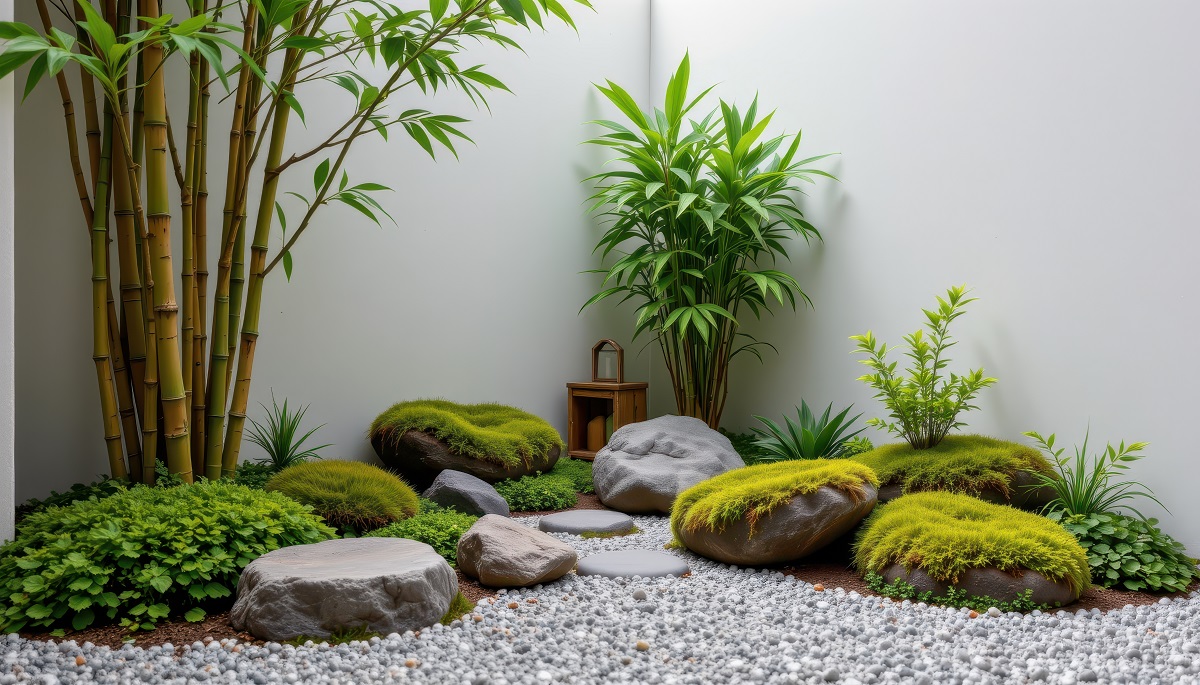
Choosing the right stones is one of the most important decisions in the entire design process. Each type of rock brings its own texture, color, and energy to the space.
Common options include:
- River rocks: Smooth, rounded, and ideal for soft, flowing designs
- Boulders: Large statement pieces that act as focal points
- Crushed gravel: Perfect for ground cover and raking patterns
- Flagstone: Flat stones used for stepping paths or seating areas
- Basalt or lava rock: Dark, textured stones for contrast and drama
Mixing sizes is key. A Zen garden rarely uses uniform rocks because variation creates natural realism. However, too much variety can feel chaotic, so stick to a controlled palette of tones—usually grays, browns, blacks, and muted earth colors.
When selecting materials for landscaping with rocks, consider sourcing locally. Native stone often blends better with the environment and reduces transportation costs.
How Can Rock Placement Influence Flow and Energy?
In Zen philosophy, placement is everything. Rocks are not just decorative—they guide the eye and influence how people move through the space.
A common technique is grouping stones in odd numbers (3, 5, or 7). Odd groupings feel more natural and less staged. Each grouping should include a dominant stone, a supporting stone, and a grounding stone.
To create flow:
- Position larger stones first as anchor points
- Arrange smaller stones to lead the eye between focal areas
- Leave intentional empty space to prevent overcrowding
- Angle rocks slightly rather than placing them flat or rigid
Think of your garden like a quiet story. Each rock placement should lead naturally to the next moment of visual interest. When landscaping with rocks, negative space is just as important as the stones themselves.
Can Plants Be Combined With Rock Landscaping?
Yes, but sparingly. Zen gardens rely on restraint, so plants are used as accents rather than the main attraction. The goal is to soften stone elements without overpowering them.
Ideal plant choices include:
- Moss for low, carpet-like texture
- Ornamental grasses for gentle movement
- Bamboo for vertical structure and privacy
- Small evergreens for year-round greenery
- Ground covers like creeping thyme or sedum
Plants should appear as if they naturally emerged between rocks rather than being planted in rigid rows. This organic integration enhances the realism of landscaping with rocks and keeps the design visually calming.
Avoid overly colorful or high-maintenance flowers unless they serve a specific focal purpose. Zen design favors subtle greens and muted tones.
What Role Does Gravel or Sand Play in Zen Design?
Gravel and sand are essential components in traditional Zen gardens. They often represent water, creating the illusion of rivers, oceans, or rippling streams without actual irrigation systems.
One of the most meditative practices in these gardens is raking patterns into gravel. These patterns can represent waves, currents, or wind movement. They also allow homeowners to interact with the garden, reinforcing mindfulness.
Popular gravel patterns include:
- Straight lines for calm, still water
- Circular ripples around focal stones
- Flowing wave patterns between rock clusters
- Crosshatch designs for structured minimalism
Using gravel also improves drainage, reduces weed growth, and lowers maintenance requirements. In many cases, homeowners discover that landscaping with rocks and gravel significantly reduces long-term yard upkeep compared to traditional lawns.
How Do Water Features Enhance a Rock-Based Zen Garden?

Even in minimalist Zen design, water can play a powerful role. The sound of flowing water adds movement and serenity, balancing the stillness of stone.
Small water features such as basins, bamboo fountains, or narrow streams work especially well. They don’t need to be large or elaborate. The goal is subtle integration rather than dominance.
When designing, consider how stone and water interact visually. Rocks can frame a water feature, guide its flow, or even appear partially submerged for a natural effect.
A thoughtful approach is to ensure harmony between all elements. In some landscape planning discussions, professionals may suggest ways to integrate water and stone features into your landscape design to achieve a seamless balance between movement and stability.
The result is a garden that feels alive without being overwhelming.
What Are Common Mistakes to Avoid in Rock Landscaping?
Even simple designs can go wrong if not carefully planned. Some of the most common mistakes include:
- Overcrowding the space with too many rocks
- Using inconsistent stone colors that clash visually
- Ignoring scale relationships between large and small stones
- Creating overly symmetrical layouts that feel artificial
- Neglecting drainage when installing gravel beds
Another frequent issue is skipping the planning phase. Without a clear layout, landscaping with rocks can quickly become disorganized and lose its calming effect.
It’s also important not to treat rocks as decoration alone. They should function as structural and visual anchors within the space.
How Can You Maintain a Zen Rock Garden Over Time?
One of the biggest advantages of rock-based landscaping is its low maintenance nature. However, some upkeep is still required to preserve its clean, intentional appearance.
Basic maintenance tasks include:
- Raking gravel regularly to maintain patterns
- Removing fallen leaves or debris
- Controlling weed growth between stones
- Occasionally repositioning rocks that have shifted
- Trimming plants to maintain balance and proportion
Seasonal adjustments also help keep the space fresh. In dry seasons, gravel may need leveling, while wet seasons may require improved drainage checks.
Compared to traditional lawns, landscaping with rocks dramatically reduces mowing, watering, and fertilizing needs, making it one of the most efficient long-term yard design strategies.
How Does Lighting Improve a Rock Garden Experience?
Lighting is often overlooked but plays a major role in enhancing nighttime aesthetics. Soft, warm lighting can highlight textures, create shadows, and bring depth to stone arrangements.
Effective lighting options include:
- Low ground lights along pathways
- Uplighting for large focal rocks
- Solar lanterns for subtle ambient glow
- Hidden LED strips beneath stone edges
The goal is not brightness but mood. A well-lit Zen garden feels peaceful and inviting even after sunset. It also extends the usability of outdoor spaces into the evening hours.
Why Is Landscaping with Rocks Considered a Smart Long-Term Investment?
Beyond aesthetics, this design approach has financial and practical benefits. Homeowners increasingly view outdoor improvements as long-term value enhancers.
Rock landscaping is durable, weather-resistant, and adaptable to changing climates. It also reduces recurring costs associated with lawn care and irrigation systems.
In many cases, homeowners consider this approach among their most crucial home upgrades because it improves curb appeal, reduces maintenance demands, and increases property value without requiring constant reinvestment.
How Can You Personalize Your Zen Rock Garden?
Even within a structured design philosophy, there is room for personal expression. A Zen garden should reflect your lifestyle and sense of calm.
Ways to personalize your space include:
- Adding a meditation bench or seating stone
- Incorporating symbolic rock arrangements
- Using culturally inspired design elements
- Selecting stones with personal meaning or origin stories
- Creating small hidden “quiet corners” for reflection
The key is subtlety. Personal touches should blend naturally into the environment rather than stand out aggressively.
What Steps Should You Take to Start Your Own Rock Garden?
If you’re ready to begin, start small and build gradually. A full transformation doesn’t need to happen overnight.
A simple starting process:
- Clear and evaluate your space
- Choose a design theme
- Select your rock types and materials
- Install larger stones first
- Add gravel or sand base layers
- Place plants strategically
- Refine details and patterns over time
This step-by-step approach ensures that your landscaping with rocks develops into a balanced, intentional design rather than a rushed installation.
Conclusion: Creating Calm Through Simplicity and Stone
A Zen-inspired garden is more than just an outdoor design trend—it’s a mindset. By focusing on simplicity, balance, and natural materials, homeowners can create spaces that encourage relaxation and reflection.
Landscaping with rocks offers a flexible, durable, and visually striking foundation for this type of garden. Whether you’re working with a small backyard or a larger outdoor space, the principles remain the same: thoughtful placement, minimal clutter, and harmony between elements.
With the right planning and patience, your outdoor area can become a quiet retreat that feels timeless, functional, and deeply restorative.