Maintaining a comfortable living environment depends heavily on a properly functioning heating, ventilation, and air conditioning system. When temperatures soar during humid summers or dip during brisk winter evenings, your HVAC unit works tirelessly to regulate indoor climate. However, like any mechanical equipment subjected to continuous wear and tear, heating and cooling units eventually show signs of distress. Homeowners often overlook minor quirks, assuming a rattling sound or slight temperature variance is harmless. In reality, addressing early warning signs by scheduling prompt HVAC services can prevent catastrophic equipment failure, reduce energy consumption, and save thousands of dollars in emergency replacements.
Recognizing these warning signs allows you to restore performance before minor glitches turn into total system breakdowns.
Inconsistent Temperatures and Weak Airflow
One of the clearest indicators that your climate control system is struggling involves uneven heating or cooling across different rooms. If your living room feels chilly while upstairs bedrooms remain stiflingly warm, your equipment is failing to distribute conditioned air properly. Weak airflow from the supply vents often accompanies this issue. Restricted airflow typically stems from clogged air filters, failing blower motors, or ductwork leaks that allow treated air to escape into attics or crawlspaces. Sluggish airflow places immense strain on internal components, forcing the compressor or heat exchanger to work twice as hard to satisfy thermostat settings. If adjusting dampers or changing filters does not equalize room temperatures, you need professional HVAC services to inspect the duct network, assess system balancing, and restore steady air circulation throughout your home.
Unexplained Spikes in Utility Bills
Energy bills inevitably fluctuate between seasons, but an abrupt increase in monthly heating or cooling costs indicates declining system efficiency. When components become dirty, worn, or mechanically compromised, the entire unit consumes significantly more electricity or fuel to achieve the set temperature. Dirty condenser coils, failing capacitors, low refrigerant charges, or aging electrical connections all force your equipment to run longer cycles. Rather than writing off higher bills as standard utility rate hikes, compare your current statements against the same billing period from the previous year. If energy usage has surged without a change in household habits or weather severity, investing in routine HVAC services will identify hidden mechanical drag and optimize operational efficiency, paying for itself through reduced monthly expenses.
Unusual Noises and Persistent Odors
Modern heating and cooling systems are engineered to operate quietly in the background. While a subtle hum during startup is normal, loud or unfamiliar noises should never be ignored. Squealing sounds frequently point to worn fan belts and failing bearings. Clanking, banging, or rattling suggests loose internal hardware, broken fan blades, or debris trapped within the housing. Clicking sounds when the unit tries to engage often point to electrical relay issues. Equally alarming are persistent odors drifting from the vents. A musty, damp smell indicates mold or mildew proliferation inside ductwork or on the evaporator coil, while an acrid burning odor signals overheating electrical wiring. If these sensory alerts arise, shut down the system and contact an experienced technician immediately to prevent motor burnout or safety hazards.
Excessive Dust and Poor Indoor Air Quality
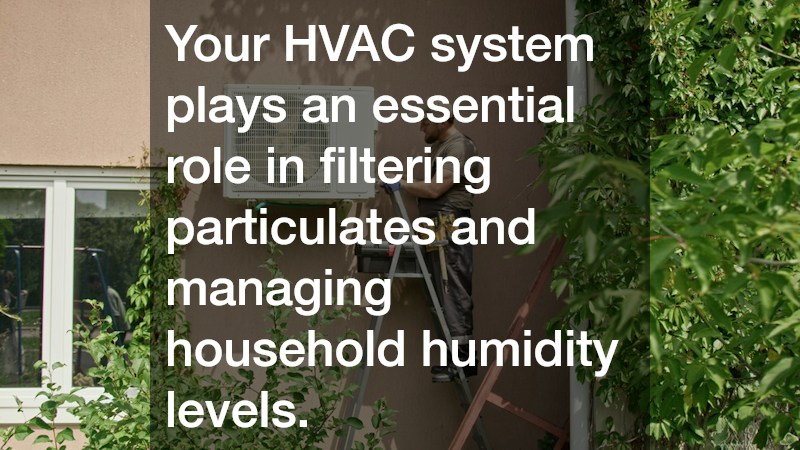
Your HVAC system plays an essential role in filtering particulates and managing household humidity levels. If you notice a rapid accumulation of dust on furniture surfaces shortly after cleaning, your ventilation equipment may be circulating contaminants instead of capturing them. High humidity levels inside the house can also signal that the air conditioner’s cooling coil is no longer dehumidifying the air effectively. Persistent indoor moisture creates a breeding ground for allergens, dust mites, and mold spores, exacerbating respiratory issues for family members. Seeking professional HVAC services ensures that air handlers, filtration units, and dehumidification components are calibrated correctly, dramatically improving your indoor air quality and restoring everyday comfort.
Frequent Cycling and System Age
A system that turns on and off rapidly—a process known as short-cycling—is a major operational red flag. Short-cycling prevents the equipment from completing full heating or cooling cycles, causing extreme wear on the compressor, accelerating electrical breakdown, and leaving indoor temperatures erratic. This behavior often stems from an oversized system, malfunctioning thermostats, or failing pressure switches. System age compounds these vulnerabilities. Most modern residential units possess an operational lifespan of 10 to 15 years. If your unit is approaching this milestone and requires frequent repairs, continuing to patch aging components becomes financially impractical.
Securing Reliable Local Support
When seasonal extremes put your home comfort to the test, working with experienced technicians guarantees that your heating and cooling equipment receives precise diagnosis and care. Homeowners seeking prompt and dependable HVAC services in Covington, GA, benefit from local specialists who understand regional climate demands, from oppressive summer humidity to sudden winter cold snaps. Whether you need preventative tune-ups, duct remediation, or a full system replacement, timely professional intervention protects your equipment, lowers operating expenses, and keeps your household comfortable through every season.