
A home influences far more than appearance. The way rooms feel, how air moves, how water tastes, how outdoor spaces function, and how well the property responds to changing weather can all affect daily comfort. Home wellness takes these factors into account by looking at the property as a connected environment rather than a collection of unrelated rooms and systems. When improvements are planned together, homeowners can create spaces that feel more comfortable, function more efficiently, and support everyday routines with fewer disruptions.
A whole-home approach does not require completing every project at once. It starts with identifying the features that have the greatest effect on comfort, health, safety, and usability, then making upgrades in a sensible order. Some households may benefit most from better indoor air quality, improved water quality, or more reliable temperature control. Others may place a higher priority on outdoor living, storm protection, privacy, or backup power. The goal is to make each improvement support the way the household actually lives.
Improve Indoor Comfort With Better Light and Temperature Control
Natural light can make a home feel more open and inviting, but too much direct sunlight can also create glare, uneven temperatures, and fading on furniture or flooring. Window treatments can help homeowners manage these effects without giving up the benefits of daylight. Working with a roller shades company can provide access to options that balance privacy, light control, and visual appeal while fitting the specific dimensions of each room.
Roller shades can be especially useful in bedrooms, living areas, home offices, and rooms with large windows. Light-filtering materials can soften harsh sunlight while maintaining a bright interior, while blackout options can create darker sleeping spaces. Motorized systems may also make it easier to adjust hard-to-reach windows or coordinate shade positions throughout the day.
Temperature control is another important part of indoor comfort. Sunlight entering through windows can increase heat gain, which may cause cooling systems to work harder. Strategic shading can reduce some of that heat before it spreads through the room. When window treatments are considered alongside insulation, ventilation, and HVAC performance, homeowners can create a more consistent indoor environment.
Comfort improvements should support both function and personal preference. Some people prefer bright, sunlit rooms throughout the day, while others need stronger glare reduction for screens, reading, or sleep. Choosing solutions based on how each room is used can make the entire home feel more responsive to daily needs.

Create Outdoor Spaces That Are Easier to Use
Outdoor living areas can extend the functional space of a home, but weather, insects, debris, and intense sunlight may limit how often those areas are actually used. A well-planned lanai screen enclosure can make patios and poolside spaces more comfortable by creating a defined area that still feels open to the outdoors. Screening can help reduce insects and windblown debris while preserving airflow and visibility.
The value of an outdoor living space often depends on how naturally it connects with the interior. Comfortable seating, accessible pathways, appropriate lighting, shade, and durable surfaces can make the area feel like an extension of the home rather than an afterthought. A residential canopy company can also provide shade solutions for patios, seating areas, walkways, or outdoor gathering spaces where direct sunlight makes extended use uncomfortable.
Outdoor wellness is closely connected to convenience. A space that requires constant cleanup, offers little shade, or feels uncomfortable for much of the day may not get regular use. Thoughtful upgrades can make it easier to spend time outside for meals, relaxation, exercise, or social gatherings, helping homeowners make better use of the property they already have.
Refresh Pool Areas for Recreation and Relaxation
A pool can serve as a place for exercise, relaxation, family time, and entertainment, but its condition has a major effect on how enjoyable the space feels. Aging finishes, cracked surfaces, outdated decking, poor lighting, or inefficient equipment can make a pool area less inviting. Pool remodeling gives homeowners an opportunity to update both appearance and function while addressing features that no longer meet their needs.
Projects may include resurfacing the pool interior, replacing tile, improving coping, updating decking, adding lighting, or changing entry features. Some homeowners may also choose to reconfigure surrounding areas to improve circulation, seating, or accessibility. The most useful improvements are usually those that make the pool easier to use and maintain in addition to improving its appearance.
Ongoing maintenance is equally important. Local pool cleaning services can help manage routine tasks such as water testing, chemical balancing, debris removal, brushing, vacuuming, and equipment checks. Consistent care can support water clarity and help homeowners identify developing maintenance issues before they become more disruptive.
A clean, functional pool area can also contribute to a more relaxing outdoor environment. When water quality, surfaces, shade, lighting, and seating all work together, the space becomes easier to enjoy on a regular basis. Homeowners planning broader outdoor improvements may find it helpful to coordinate pool updates with landscaping, screening, shade structures, and patio improvements so the entire area feels cohesive.

Plan Remodeling Around How the Home Is Actually Used
Home wellness often improves when the layout and features of a property reflect the household’s current routines. A home that worked well years ago may feel less practical after changes in family size, work arrangements, mobility needs, or lifestyle. A remodeling company can help homeowners evaluate where existing spaces create friction and identify changes that make everyday tasks easier.
Common projects include opening or reconfiguring living areas, improving kitchen storage, updating bathrooms, adding flexible workspaces, increasing natural light, or creating better connections between indoor and outdoor areas. The objective does not have to be a dramatic transformation. Even targeted changes can improve traffic flow, organization, and comfort.
Planning should begin with function before finishes. Homeowners can consider which rooms feel cramped, where clutter tends to accumulate, which spaces receive too little light, and which features are difficult to use. These observations can guide decisions about cabinetry, walls, fixtures, storage, lighting, and furniture placement.
It is also helpful to think about future needs. Wider pathways, easier-to-reach storage, improved lighting, and adaptable rooms may make the home more useful over time. When remodeling decisions are based on daily habits rather than short-term trends, the finished space is more likely to remain practical. Coordinating remodeling with mechanical, electrical, plumbing, and exterior improvements can also reduce repeated work and create a more unified result.
Support Daily Wellness Through Better Water Quality
Water touches nearly every part of daily life, from drinking and cooking to bathing, laundry, and cleaning. Changes in taste, odor, hardness, sediment, or other water characteristics can affect comfort and household routines. A whole home water filtration system treats water as it enters the property, allowing multiple fixtures and appliances to receive filtered water rather than relying only on individual faucet or pitcher filters.
The appropriate system depends on the home’s water source and the specific issues present. Testing can help identify minerals, contaminants, or other characteristics that may need to be addressed. Some systems focus on sediment and chlorine, while others may be designed for additional treatment needs. Homeowners should select equipment based on actual water conditions rather than assumptions.
Water quality can also affect fixtures, appliances, and cleaning. Hard water may leave mineral deposits on surfaces, while certain impurities can influence taste, odor, or staining. Addressing these concerns at the point of entry can simplify treatment throughout the home.
Maintenance is an important part of any filtration strategy. Filters, media, and system components need to be inspected or replaced according to the equipment requirements. A system that is properly sized and maintained can provide more consistent performance. For households focused on home wellness, water treatment is often one of the less visible upgrades, but it can have an impact on many everyday activities.
Maintain Healthy Air and Reliable Climate Control
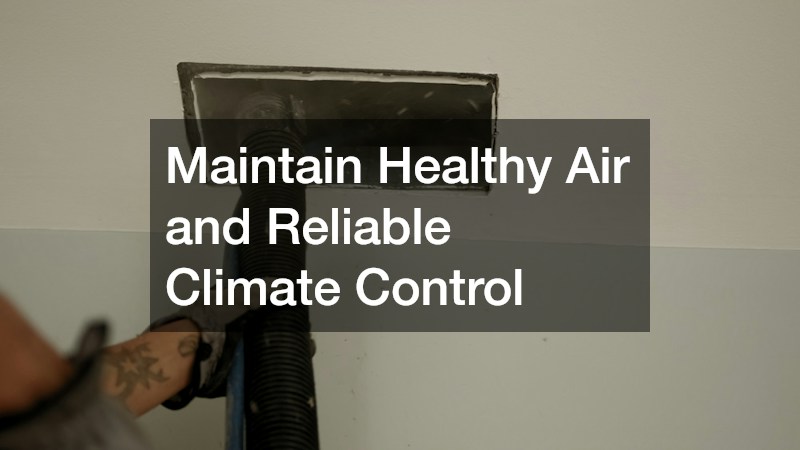
Indoor air quality and temperature can influence how comfortable a home feels throughout the year. Dust, humidity, allergens, odors, and inconsistent temperatures may all affect the indoor environment. HVAC contractors can evaluate heating, cooling, ventilation, and airflow to identify problems that may be reducing comfort or system performance.
Routine HVAC maintenance can include checking filters, inspecting components, cleaning certain parts of the system, measuring airflow, and looking for signs of wear. Proper maintenance may also help equipment operate more consistently during periods of heavy use. Homeowners should pay attention to warning signs such as unusual noises, weak airflow, frequent cycling, rising energy use, or rooms that are consistently warmer or cooler than others.
Ventilation also deserves attention. Kitchens, bathrooms, attics, and other moisture-prone areas need adequate airflow to help manage humidity. In some homes, additional filtration or humidity control may support comfort, especially for people who are sensitive to airborne particles or dry air.
Climate control works best when the entire building envelope supports it. Insulation, windows, doors, shading, ductwork, and air sealing can all affect indoor temperatures. Rather than treating heating and cooling as isolated equipment, homeowners can consider how these elements interact. That broader view can make it easier to identify the source of recurring comfort problems.
Strengthen the Home Against Severe Weather
Wellness at home also includes feeling prepared for weather that can interrupt normal routines or damage the property. In regions where severe storms are a concern, exterior improvements can play an important role in protecting windows, doors, and other vulnerable areas. Hurricane impact windows are designed to provide greater resistance to windborne debris while also serving as permanent windows during everyday conditions.
Replacing older windows can also influence energy efficiency, noise control, and indoor comfort. Modern window systems may reduce drafts and help limit unwanted heat transfer, depending on their construction and installation. Homeowners considering replacement should look at product ratings, local building requirements, installation methods, and the specific exposures of the property.
Storm readiness should extend beyond windows. Roof condition, exterior doors, drainage, trees, gutters, outdoor furniture, and loose objects can all affect how well a property handles severe weather. Regular inspections can help identify maintenance needs before storm season begins.
Preparedness is most effective when it is part of routine home care rather than a last-minute response. Keeping important documents accessible, understanding insurance coverage, maintaining emergency supplies, and knowing how to secure outdoor areas can reduce stress when severe weather approaches. Structural upgrades and household planning work together to create a more resilient home environment.
Protect Comfort and Essential Functions During Power Outages
Electricity supports many of the systems that make a modern home comfortable and functional. Refrigeration, lighting, communications, heating or cooling equipment, medical devices, pumps, and security systems may all be affected during an outage. Installing a generator can provide backup power for selected circuits or, depending on the system, a larger portion of the home.
Homeowners should begin by identifying which functions are most important during an outage. Some may prioritize refrigeration, lighting, and device charging, while others may need to operate a well pump, sump pump, HVAC equipment, or medical devices. Understanding these priorities can help determine the appropriate generator size and setup.
Permanent standby systems and portable units have different installation, fueling, maintenance, and operating requirements. Any system should be used according to manufacturer instructions and applicable safety standards. Proper placement is especially important because generators produce carbon monoxide and should never be operated in enclosed or improperly ventilated areas.
Backup power is one part of a broader preparedness plan. Battery-powered lights, communication options, stored water, basic supplies, and a plan for extended outages can all make disruptions easier to manage. When homeowners coordinate power planning with storm protection, HVAC needs, water systems, and other home improvements, the property becomes better equipped to maintain essential functions when normal services are interrupted.
A whole-home wellness strategy works best when improvements are chosen for the way people actually live. Better shading, comfortable outdoor spaces, a refreshed pool, practical remodeling, cleaner water, reliable climate control, storm-resistant features, and backup power each address a different part of daily life. Together, they can create a home that is easier to maintain, more comfortable to use, and better prepared for changing needs.