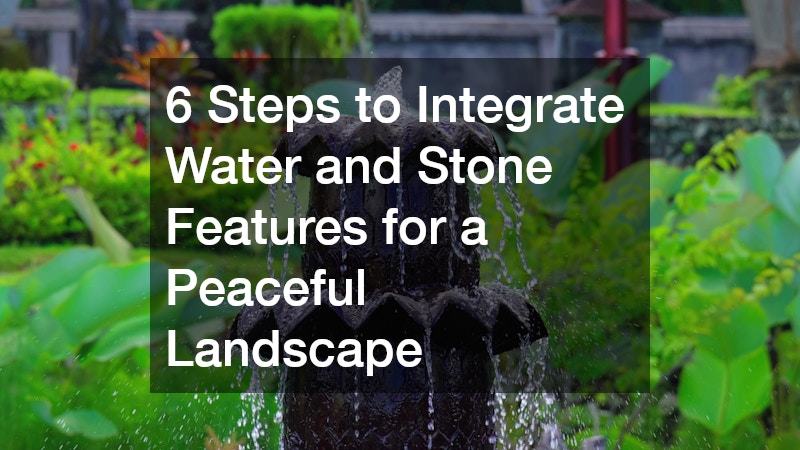
The modern backyard has evolved from a simple patch of grass into a sophisticated extension of the home—a sanctuary where the stresses of daily life are washed away by the rhythmic sound of trickling water and the grounding presence of natural stone. This transition involves more than just planting flowers; it requires a deliberate architectural shift toward creating a seamless flow between indoor living and the natural world. Creating such a space is an exercise in balancing the fluid, dynamic energy of water with the heavy, permanent reliability of earth elements. This balance is achieved by selecting stone textures—from smooth river rocks to rugged granite slabs—that catch and direct the movement of water to create specific visual and auditory effects.
When executed correctly, this integration does more than just increase property value; it creates a multisensory environment that promotes mental clarity and physical relaxation through the principles of biophilic design. However, moving from a conceptual vision to a functional reality requires a deep understanding of engineering, material science, and maintenance. You must account for hydraulic pressure, stone porosity, and the structural load-bearing capacity of the soil to prevent shifting or leaking over time. A peaceful landscape is only peaceful if it is built to last and designed for ease of use, ensuring that the homeowner spends more time enjoying the environment than repairing it. This guide will walk you through the technical and creative phases of merging these two powerful elements into a cohesive, private retreat that stands the test of time and weather.
Establishing a Structural Vision for Your Sanctuary

The first step in any successful landscape project is the development of a comprehensive master plan, serving as a technical blueprint that aligns your aesthetic vision with the physical realities of the site. Because water and stone are heavy, permanent features, changing your mind halfway through construction can be prohibitively expensive, often requiring the re-excavation of footings or the relocation of massive boulders that have already been set. A detailed plan allows you to visualize the spatial relationship between vertical stone structures and horizontal water basins before a single spade of earth is turned.
You must consider the topography of your land to determine natural drainage patterns and elevation changes, which will influence where a local pool builder might recommend placing a primary basin or where an outdoor living contractor suggests a stone landing. The natural light throughout the day also plays a critical role, as the angle of the sun affects how light reflects off moving water and how shadows emphasize the texture of the stonework. Furthermore, understanding how the “flow” of the yard will dictate movement ensures that stone paths and water crossings are intuitive and safe, preventing the space from feeling cramped or disconnected. This strategic foresight ensures that every ton of material is placed with purpose, creating a durable foundation for a sanctuary that feels both structurally sound and naturally inspired.
- Analyzing Sightlines:
Before breaking ground, sit in the areas where you spend the most time—the kitchen window, the back porch, or a favorite bench. Your water and stone features should be positioned to provide maximum visual impact from these key vantage points. - The Importance of Professional Partnership:
For a project involving significant excavation or structural water features, you should consult with a local pool builder who understands the specific soil conditions and drainage challenges of your region. They can provide the technical oversight necessary to ensure your water basin remains level and leak-free for decades. - Cohesive Design Zones:
A successful sanctuary feels like a series of “rooms” without walls. By working with a professional outdoor living contractor, you can map out how a stone waterfall might lead into a seating area, ensuring that the transition between the aquatic and the terrestrial feels natural rather than forced. - Sub-Surface Considerations:
Don’t forget what lies beneath. Utility lines, irrigation pipes, and electrical conduits must be mapped out early to avoid costly conflicts during the heavy lifting phase.
Precision Engineering of Stone Foundations
Stone provides the “bones” of the landscape. It acts as the anchor for the entire design, providing the structural support for slopes and the tactile surfaces for walkways. The technical execution of your stonework is what ensures the longevity of the sanctuary.
- Selecting Durable Materials:
Different stones have different porosities and strengths. For high-traffic areas or regions with harsh winters, you need materials that can withstand the freeze-thaw cycle without cracking. - The Foundation of Safety:
When designing the paths that connect your home to the water, using high-quality pavers is a smart technical choice. These provide a uniform, slip-resistant surface that is essential for safety in areas where water might splash or overflow. - Hiring Specialized Labor:
Large-scale stone features require heavy machinery and precise leveling. Partnering with an experienced hardscaping company ensures that retaining walls are properly backfilled and that large boulders are set deep enough into the earth to remain stable over time. - Aesthetic Textures:
Consider the “finish” of your stone. Sawn-cut stone offers a modern, clean look, while natural cleft stone provides a more rugged, organic feel that mimics a mountain stream or a forest floor.
Harmonizing Water Chemistry and System Health

A tranquil environment depends entirely on the quality of the water. Cloudy, green, or foul-smelling water will immediately destroy the sense of peace you have worked so hard to create. Maintaining crystal-clear water is a technical discipline that combines mechanical filtration with chemical balance.
- Understanding Water Equilibrium:
Stones and concrete can actually leach minerals into your water, which can affect the balance. It is vital to monitor your chemistry and know exactly how to lower ph in pool or pond settings to prevent calcium scaling on your beautiful stone waterfalls. - Mechanical Reliability:
Pumps, filters, and heaters are the silent workhorses of your sanctuary. Over time, debris or mechanical wear can lead to a decrease in flow or a complete system failure. - Knowing When to Call the Pros:
While daily skimming is easy, more complex issues require expert intervention. Having a reliable contact for pool repair services ensures that leaks, pump failures, or plumbing clogs are handled before they cause structural damage to your stone surrounds. - Automated Maintenance:
Many modern systems now feature smartphone integration, allowing you to monitor chemical levels and adjust pump speeds from your phone, keeping the “work” of maintenance out of sight and out of mind.
Creating Transitions with Hard and Soft Elements
The space where stone meets the soil is where you have the opportunity to soften the landscape, creating a bridge between the structural rigidity of masonry and the organic fluidity of nature. Without plants and organic textures, a stone-heavy yard can feel cold and industrial, lacking the inviting warmth that defines a true retreat. The goal is to “nestle” the hard elements into the soft ones, a technique that involves layering low-growing groundcovers, mosses, and ornamental grasses directly against the base of stone walls or within the crevices of large boulders. By utilizing various landscaping supplies such as specialized soil mixes, decorative gravel, or shredded bark, you can create a seamless transition that looks as though the stone has naturally emerged from the earth over centuries.
Furthermore, designing these transition zones with a professional patio contractor ensures that the flatwork remains structurally isolated from the shifting moisture levels of the surrounding soil, preventing the heaving or sinking of the stone surfaces. This strategic layering also serves a functional purpose by masking the concrete footings of heavy stone features and providing a natural filtration system for surface runoff. When the hard edges of the stone are broken up by the soft, swaying movements of native plants and the rich colors of organic mulch, the landscape loses its harsh architectural silhouette and gains a peaceful, established character that feels deeply integrated into the local environment.
- The Softening Power of Foliage:
Use various landscaping supplies, such as nutrient-rich mulch, river stones, and ground-cover plants, to fill the gaps between large boulders. This creates a lush, tiered look that looks like a natural ecosystem. - Multi-Level Functionality:
Flat surfaces are just as important as the decorative ones. By hiring a patio contractor, you can create a level stone landing that acts as a transition zone between the house and the deeper parts of the garden. - Acoustic Sculpting:
The way water hits stone creates different sounds. Large, flat drops create a “clapping” sound, while water trickling over small pebbles creates a “babbling” white noise. You can tune your backyard like an instrument by adjusting the height and texture of your stone drops. - Native Plant Integration:
Choose plants that are native to your area. They require less water and fertilizer, making your sanctuary more sustainable and easier to maintain in the long run.
Integrating Lifestyle and Culinary Amenities

A true sanctuary should engage all five senses. Once the water and stone are in place, you can add features that provide physical warmth, hydrotherapy, and culinary enjoyment, turning your yard into a full-service wellness retreat.
- The Therapeutic Edge:
Water features shouldn’t just be for looking at. Tucking hot tubs into stone alcoves or behind a screen of boulders creates a private grotto experience that provides physical relief through heat and buoyancy. - Culinary Craftsmanship:
For those who enjoy outdoor cooking, a stone-clad kitchen is the ultimate luxury. When installing heavy cooking equipment like smokers, ensure they are placed on a non-combustible stone base with plenty of clearance from overhanging trees or delicate plantings. - Lighting for Atmosphere:
Low-voltage lighting hidden within the stone walls can illuminate the ripples in the water at night, creating a completely different mood after the sun goes down. - Heating Elements:
Stone fire pits or outdoor fireplaces can extend the usability of your sanctuary into the cooler months, providing a focal point for evening gatherings.
The Long-Term Stewardship of Your Retreat

A landscape is a living thing. Over the seasons, stones will settle, plants will grow, and water systems will age. Long-term peace requires a proactive approach to stewardship, ensuring that the small tasks don’t pile up into a major renovation project later on.
- Annual Inspections:
Every spring, walk your property to look for shifting pavers or cracks in the mortar. Early detection of structural movement can save you thousands in repair costs. - Cleaning and Preservation:
The stone should be periodically cleaned of moss or algae if it becomes a slipping hazard. High-pressure washing and sealing can keep the stone looking “new,” though some prefer the aged patina that comes with time. - Updating the Design:
As your lifestyle changes, your sanctuary can evolve. Perhaps you started with a simple stone path and now want to add a full outdoor kitchen or an additional waterfall. Because you built on a solid foundation, these additions can be integrated seamlessly. - The Mental Shift:
Ultimately, the goal of this technical journey is to reach a point where the maintenance is a background rhythm, allowing you to fully immerse yourself in the peace and quiet of your creation.
The successful integration of water and stone represents the pinnacle of outdoor design, requiring a sophisticated understanding of how static and fluid elements interact over time. It is a marriage of the immovable and the ever-changing, providing a unique environment that caters to the human need for nature and tranquility by mimicking the most serene landscapes found in the wild. By focusing on the structural integrity of your build, the precision of your water chemistry, and the thoughtful layering of materials, you create an asset that serves as a backdrop for a lifetime of memories, from quiet morning reflections to vibrant evening gatherings.
Achieving this level of harmony necessitates a disciplined approach to engineering, ensuring that stone retaining walls are properly reinforced to withstand the weight of water basins and that filtration systems are sized correctly for the volume of the feature. The work required to build such a space is significant, involving meticulous site preparation and the careful selection of geological textures that complement the surrounding architecture, but the reward—a private, high-performing haven of rest—is incomparable. When the sound of moving water is perfectly tuned to the acoustics of the stone surfaces, the landscape becomes a living ecosystem that rejuvenates the spirit and provides a permanent escape from the pressures of the modern world.